

Joint study between Hubei University of Economics China and the Institute of Risk Management into the maturity of Risk Management Education in China
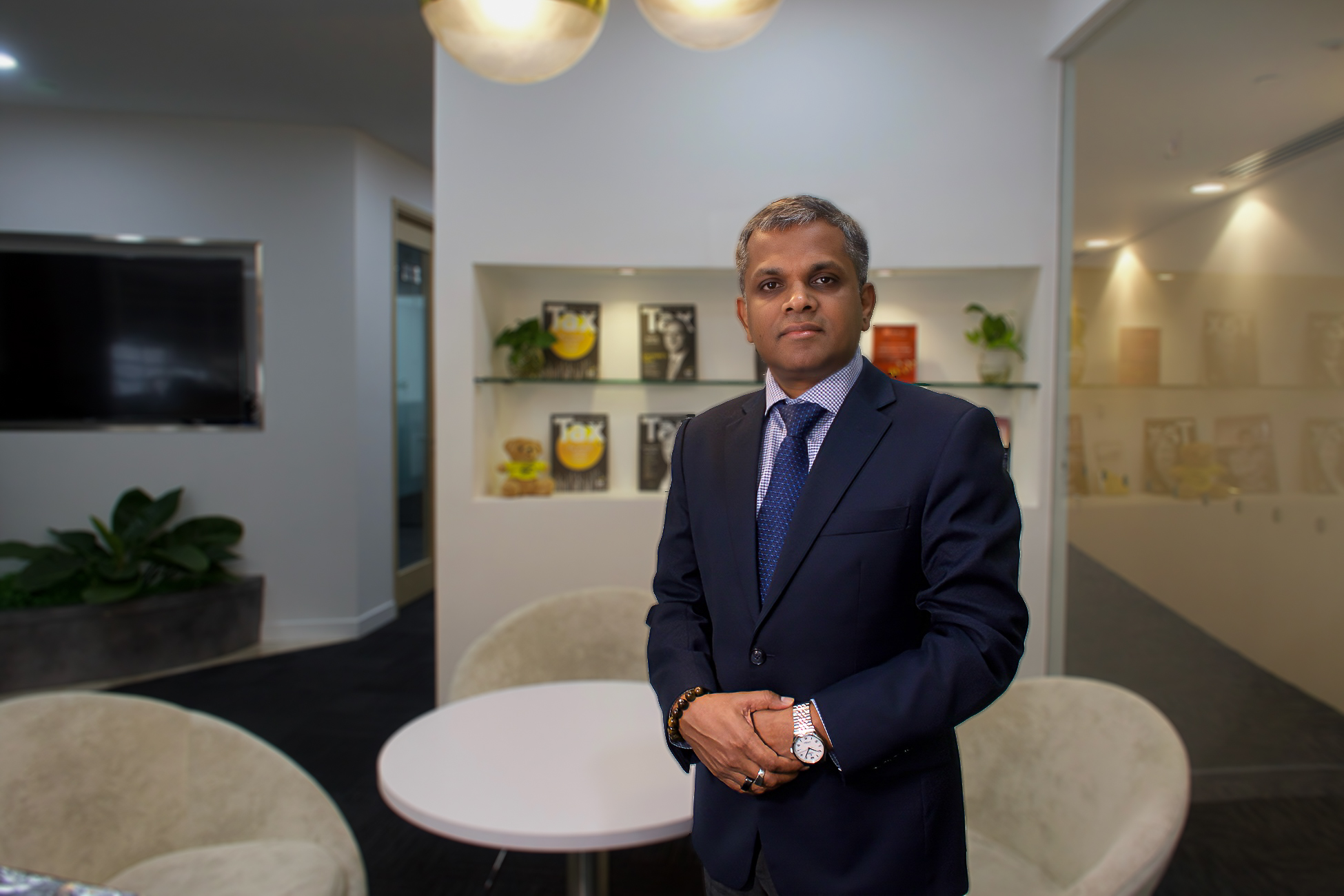
Dr. Saman Bandara
Senior Partner | Forensic & Governance Advisor
The Institute of Risk Management (IRM) is delighted to announce the release of a research report undertaken in partnership with Hubei University of Economics in Wuhan, China. The risk management center at the university, led by Distinguished Professor Ming-Che (Martin) Sung, has undertaken a study of risk management education across the universities of China.
The Institute of Risk Management (IRM) is delighted to announce the release of a research report undertaken in partnership with Hubei University of Economics in Wuhan, China. The risk management center at the university, led by Distinguished Professor Ming-Che (Martin) Sung, has undertaken a study of risk management education across the universities of China. It looks at how the university sector is responding to the growing demand from Chinese organisations for people with high quality risk management skills. It is believed that this is the first study of its kind to be conducted on the subject.
Socrates Coudounaris, BEng (Hons) MSc FCII CFIRM Chair of the IRM explains:
“Excellence in risk management is essential to support economic expansion and this in turn requires effective education from academic and professional bodies. Enterprise risk management is now an established concept worldwide and requires a broader, integrated approach beyond safety management, insurable and financial risks. We are pleased to see this approach maturing within the Chinese University System, building on the valuable foundations of existing management risk courses across the country. We agree that the demand for skilled risk management professionals in China is likely to increase in line with economic development and commend the intentions to develop education and to build the profession in China to global standards.
The education system holds the key to how we embed and nurture enterprise risk management (ERM) within commerce and government systems. Given that mitigating risk, in all its forms, is fundamental to global competitiveness, economic growth, sustainability, investment, compliance and good governance, its importance to China – and to our place in the wider world – cannot be underestimated. The IRM is pleased to offer its support to this process.”
Professor Sung added:
“We have found that while the volume of lectures and spread of content is solid, it must be in a position to increase with demand over time. We need to ensure we exploit the learning opportunities from international best practice, encourage international co-operation and integrate risk management education at a national level. While basic insurance and safety management is well established, ERM is broadly limited to larger organizations.
We cannot yet say that risk management in China is a mature discipline. This must change and represents a major cultural shift that needs to be driven through education, internships and apprenticeships.
Risk management is a growing discipline in China. The Hubei University of Economics has been establishing a network of risk management academics across China and Taiwan for some time now and has organised some of the first academic conferences on the subject in the region. We are pleased to be co-operating with the Institute of Risk Management to help build our international links”.
Copies of both an English and Chinese version can be downloaded here: https://www.theirm.org/knowledge-and-resources/thought-leadership/survey-report-2019-risk-management-education-courses-in-the-chinese-university-system.aspx
Dr. Saman Bandara
Senior Partner | Forensic & Governance Advisor
Senior Partner at a Big Four professional services firm and a recognized authority in forensic governance, financial integrity, and risk management across Indochina, Singapore, and Sri Lanka. Holds a PhD in Forensics, LLM, and executive credentials from Harvard and Stanford.
Executive Perspectives & Discussion
Share your insights, observations, or experiences with peer practitioners.
Add Your Perspective
No comments posted yet. Be the first to share your perspective.
Related Intelligence Briefings
Cooking the ESG Books: Why Non-Financial Reporting Is Becoming the Next Frontier for Fraud and Misrepresentation in Southeast Asia
For years, corporate fraud was associated with manipulated financial statements. Today, a new risk is emerging: ESG misrepresentation. Across Vietnam and Southeast Asia, companies are under growing pressure to demonstrate strong environmental, social, and governance performance. Investors, banks, regulators, and customers increasingly rely on ESG disclosures when making decisions. But what happens when sustainability reporting moves faster than operational reality?
Shadow Governance: How Informal Power Structures Are Undermining Board Oversight in Vietnamese Enterprises
A board meeting begins on time. The papers are complete. The resolutions are properly drafted. The minutes will later show that governance took place. And yet the real decision was made three days earlier — over dinner, through a family channel, in a founder’s private office, by a dominant shareholder’s trusted lieutenant, or through a senior executive who no longer appears on the organization chart but still controls outcomes.
Why ISO 37001 Matters for Vietnamese Companies Planning an IPO
ISO 37001, the international standard for Anti-Bribery Management Systems, provides a structured and auditable framework to prevent, detect, and respond to bribery risks. For Vietnamese companies planning an IPO—either domestically or internationally—its relevance is both practical and strategic.